Cupping vs. Gua Sha:Which Treatment Is Right for You?
When it comes to natural healing, pain relief, muscle recovery, and holistic wellness, two treatments continue to grow in popularity across Canada: cupping therapy and Gua Sha. From athletes and busy professionals to wellness-focused clients looking for stress relief and improved circulation, these ancient therapies are becoming go-to treatments for people seeking a more balanced approach to health and recovery.
At Why KNOT!, many clients ask the same question: What’s the difference between cupping and Gua Sha, and which treatment is best for me? While both therapies support circulation, muscle tension relief, recovery, and overall wellness, they each work differently and offer unique benefits depending on your goals, pain levels, and lifestyle.
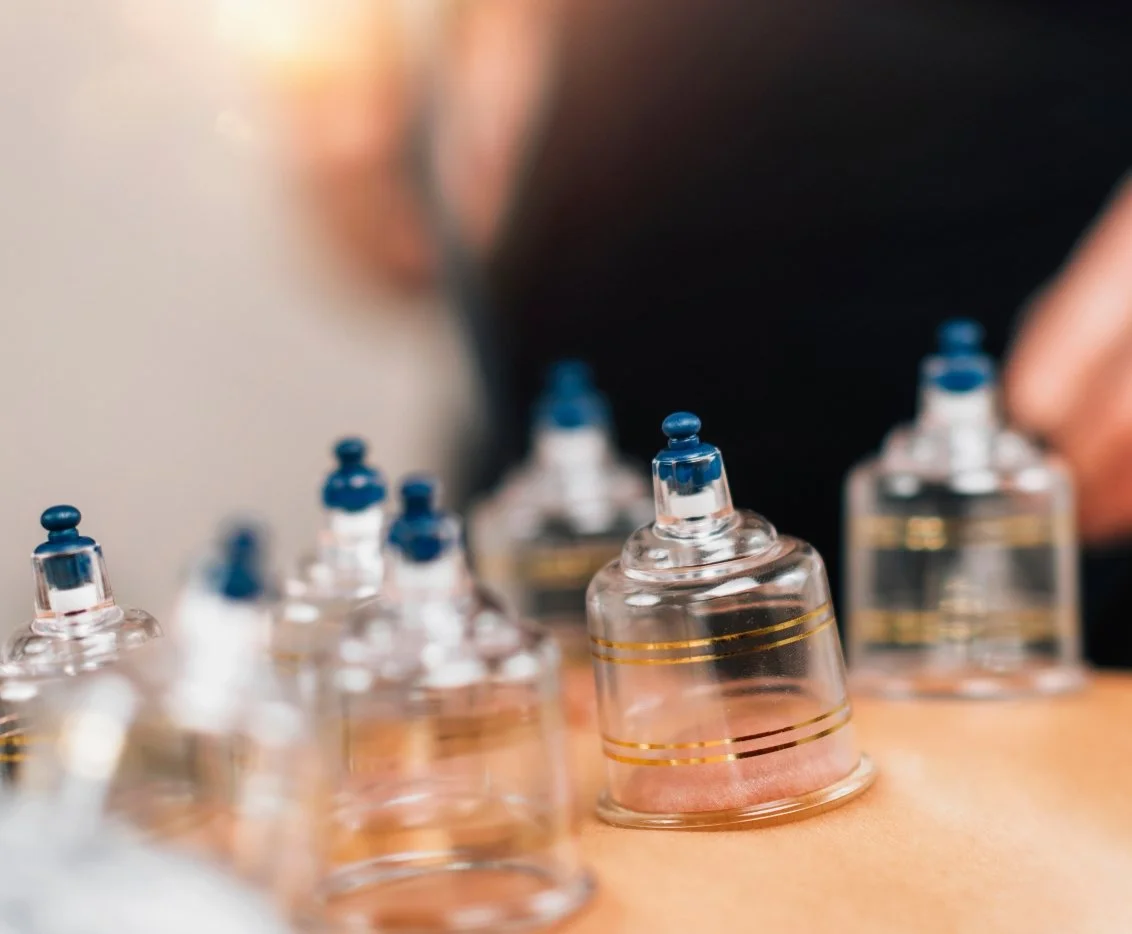
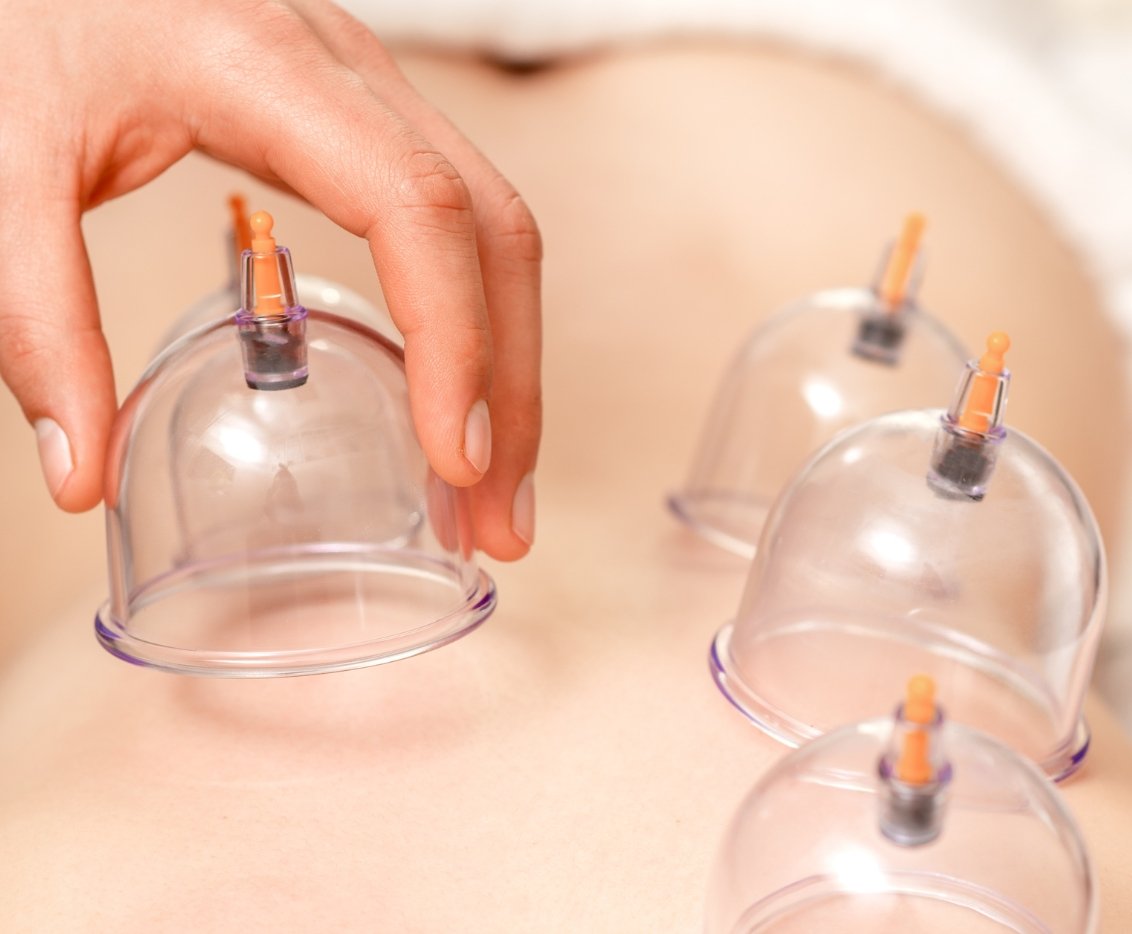
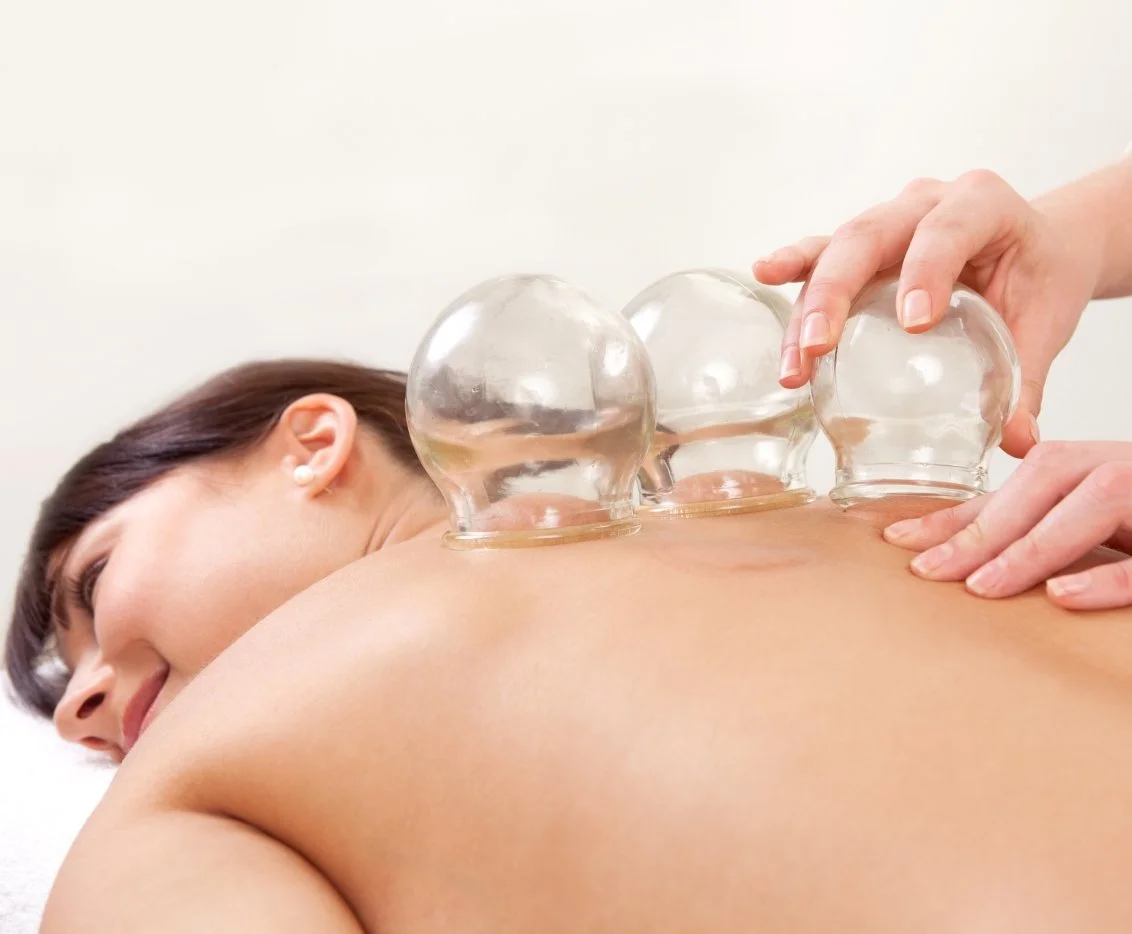
Cupping therapy is a traditional healing treatment that uses specialized cups placed on the skin to create suction. This suction gently lifts the skin and underlying tissue, helping stimulate blood flow, release tight fascia, reduce muscle tension, and support the body’s natural healing process.
Modern cupping treatments are commonly used in massage therapy, sports recovery, rehabilitation, and wellness clinics. While traditional cupping has roots in Traditional Chinese Medicine, many contemporary therapists now combine cupping with therapeutic massage techniques for a more targeted recovery experience.
How Cupping Works
During a cupping session, silicone, glass, or plastic cups are applied to specific areas of the body. The suction creates negative pressure, which helps:
Increase circulation
Reduce muscle tightness
Improve lymphatic drainage
Release fascia restrictions
Support recovery from physical strain
Promote relaxation
Some therapists leave the cups stationary, while others use moving cupping techniques that glide across the muscles using massage oil or lotion.
The circular marks sometimes left after treatment are not bruises. They are temporary signs of increased circulation and tissue response, usually fading within several days.
What Is Gua Sha?
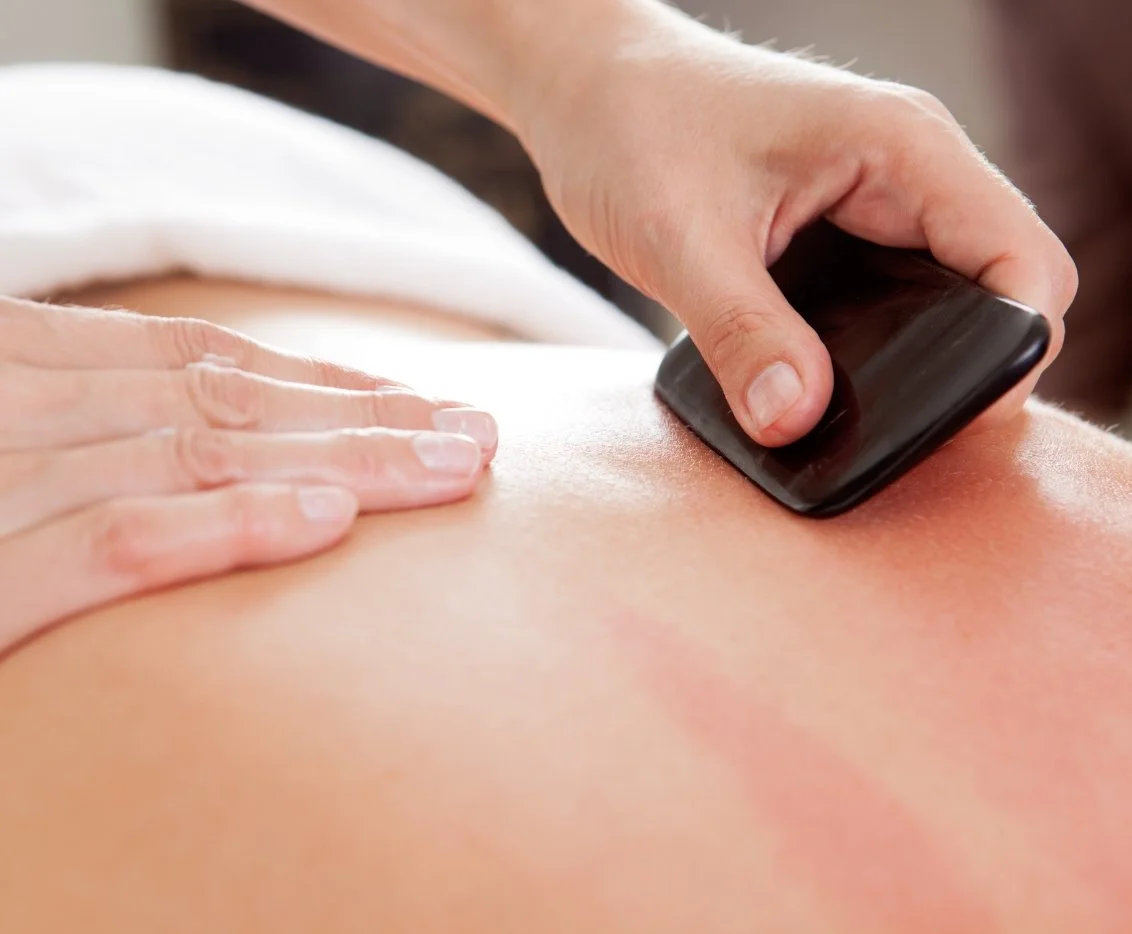
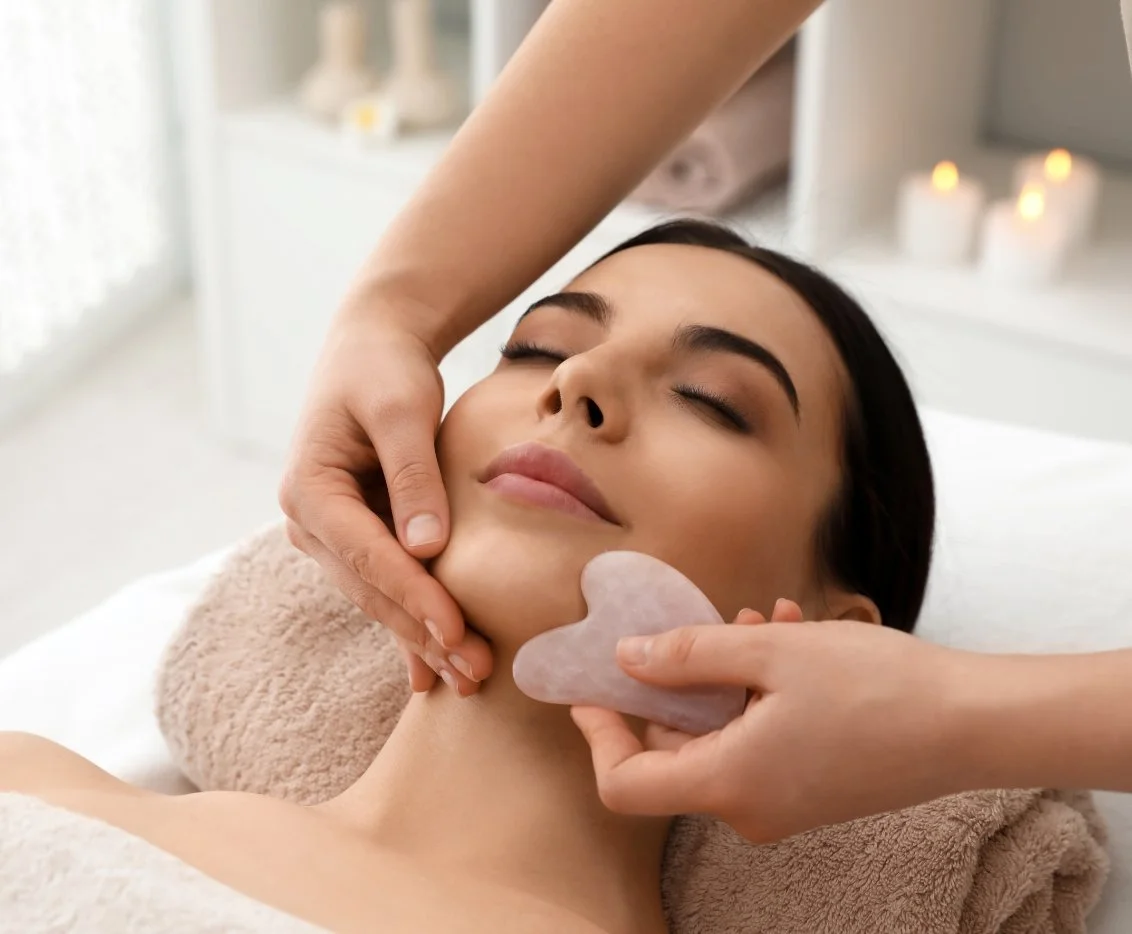
Gua Sha is another traditional healing therapy that involves using a smooth-edged tool to gently scrape the skin in long strokes. The technique helps stimulate circulation, break up tension, and encourage healing throughout the muscles and connective tissue.
While facial Gua Sha has become popular in skincare and beauty routines, therapeutic body Gua Sha is commonly used for muscle recovery, chronic tension, mobility support, and pain management.
How Gua Sha Works
A therapist uses a specialized stone or stainless-steel tool along the skin with controlled pressure. The repeated strokes help:
Increase blood circulation
Release muscle adhesions
Reduce inflammation
Improve mobility
Support detoxification through lymphatic flow
Relieve chronic tension patterns
Gua Sha may create temporary redness known as “sha,” which indicates circulation being brought to the surface. This response usually fades within a few days.
Benefits of Cupping Therapy
1. Muscle Tension Relief
Cupping is highly effective for tight shoulders, stiff neck muscles, lower back tension, and overworked muscles from repetitive movement or exercise.
The suction effect helps decompress tissues that feel restricted or compressed, making it especially popular among athletes and people with physically demanding jobs.
2. Improved Circulation
One of the biggest benefits of cupping therapy is increased blood flow. Better circulation can help oxygen and nutrients move more efficiently through the body, supporting healing and recovery.
3. Sports Recovery
Many athletes use cupping therapy to help reduce soreness, improve mobility, and accelerate recovery after workouts or training sessions.
4. Stress Reduction and Relaxation
Cupping often creates a calming effect on the nervous system. Many clients leave sessions feeling lighter, more relaxed, and less physically tense.
5. Support for Chronic Pain
Cupping may help people dealing with:
Chronic back pain
Shoulder tension
Neck stiffness
Sciatica discomfort
Muscle fatigue
Fascia restrictions
Benefits of Gua Sha
1. Fascia Release and Mobility
Gua Sha is excellent for areas with stubborn tension, adhesions, or restricted movement. The scraping motion helps release connective tissue restrictions and improve flexibility.
2. Targeted Pain Relief
Gua Sha works especially well for smaller or more focused areas of discomfort where therapists need precision and control.
3. Reduced Inflammation
Many clients choose Gua Sha for inflammatory tension patterns and chronic tightness caused by repetitive strain or postural imbalances.
4. Improved Recovery
By encouraging circulation and tissue movement, Gua Sha may help reduce soreness and improve recovery time after physical activity.
5. Headache and Neck Tension Support
People dealing with tension headaches, jaw tightness, and neck strain often benefit from Gua Sha treatments around the upper shoulders and neck.
Which Treatment Is Better for Muscle Recovery?
Both therapies are beneficial for recovery, but they work differently.
Cupping May Be Better If You:
Have widespread muscle tightness
Feel compressed or stiff
Need deep decompression
Experience post-workout soreness
Want relaxation alongside recovery
Gua Sha May Be Better If You:
Have specific trigger points
Need precise tissue work
Experience mobility restrictions
Have chronic tension patterns
Want focused fascia release
Some clients benefit most from combining both treatments during the same wellness plan.
Cupping vs. Gua Sha for Back Pain
Back pain is one of the most common reasons people seek alternative therapies.
Cupping for Back Pain
Cupping works particularly well for broad areas of tension across the upper, mid, and lower back. The suction helps loosen tight tissue while encouraging circulation through larger muscle groups.
Many clients describe relief from:
Desk posture tension
Heavy lifting strain
Exercise soreness
Stress-related tightness
Gua Sha for Back Pain
Gua Sha is ideal when pain feels more concentrated or tied to specific tension patterns. Therapists can use focused strokes to release adhesions and improve mobility in restricted areas.
Clients with chronic stiffness or repetitive-use tension often respond well to Gua Sha techniques.
What Does Each Treatment Feel Like?
What Cupping Feels Like
Cupping usually feels like a pulling or lifting sensation on the skin. Many clients find it relaxing once they adjust to the pressure.
Moving cupping can feel similar to a deep tissue massage combined with gentle suction.
What Gua Sha Feels Like
Gua Sha creates a scraping or friction-based sensation along the muscles. Depending on tension levels, it can range from soothing to intense in restricted areas.
Most clients report feeling significant release afterward, especially in chronically tight muscles.
Are Cupping and Gua Sha Safe?
When performed by trained professionals, both treatments are generally considered safe and effective for many individuals.
However, certain people should consult a healthcare provider before treatment, including those with:
Bleeding disorders
Severe skin sensitivity
Certain circulatory conditions
Active infections
Pregnancy-related concerns
Temporary marks, redness, or mild tenderness are normal responses after treatment.
How Long Do Results Last?
Results vary depending on lifestyle, stress levels, physical activity, posture, and overall health.
Some clients feel immediate relief after one session, while others benefit from ongoing treatments as part of a long-term wellness routine.
Factors that influence results include:
Hydration
Activity level
Stress
Sleep quality
Frequency of treatment
Severity of muscle tension
Can You Combine Cupping and Gua Sha?
Absolutely. Many wellness practitioners combine cupping and Gua Sha to create a more comprehensive treatment plan.
Using both therapies together can help:
Address deep and surface tension
Improve circulation more effectively
Support mobility and flexibility
Enhance recovery
Reduce stress throughout the body
A therapist may begin with cupping to loosen larger muscle groups before using Gua Sha for targeted release work.
Choosing the Right Treatment for Your Wellness Goals
Choose Cupping If You Want:
Deep muscle decompression
Relaxation and stress relief
Sports recovery support
Improved circulation
Relief from widespread tension
Choose Gua Sha If You Want:
Focused tension release
Improved mobility
Fascia work
Relief from chronic stiffness
Targeted muscle recovery
If you’re unsure which treatment is best for you, a professional therapist can assess your tension patterns, mobility, pain levels, and wellness goals to recommend the right approach.
Why More Canadians Are Choosing Holistic Wellness Treatments
Natural wellness therapies continue to grow in popularity across Canada as more people look for non-invasive ways to manage stress, pain, recovery, and overall well-being.
Busy lifestyles, long work hours, physical strain, athletic training, and screen-related posture issues have increased demand for therapies that support both body and mind.
Treatments like cupping therapy and Gua Sha offer a holistic approach that complements massage therapy, rehabilitation, fitness recovery, and self-care routines.
Frequently Asked Questions About Cupping and Gua Sha
Does cupping hurt?
Most people find cupping comfortable and relaxing. Some areas with significant tension may feel more intense temporarily.
Is Gua Sha painful?
Gua Sha can feel strong in tight areas, but treatments are adjusted to your comfort level.
How often should I get treatment?
This depends on your goals. Some clients book monthly maintenance sessions, while others come more frequently during periods of pain or recovery.
Are the marks permanent?
No. Marks from cupping or redness from Gua Sha are temporary and typically fade within a few days.
Can these treatments help with stress?
Yes. Both therapies may help calm the nervous system and reduce physical tension associated with stress.
Final Thoughts: Which Treatment Is Right for You?
Choosing between cupping therapy and Gua Sha ultimately comes down to your body, recovery goals, and personal preferences.
If you’re looking for deep decompression, relaxation, and broad muscle relief, cupping may be the perfect fit. If you need focused fascia release, mobility support, and targeted tension work, Gua Sha may be more effective.
For many clients, combining both therapies creates the best results by addressing multiple layers of tension and recovery.
At Why KNOT!, holistic wellness treatments are designed to help you move better, feel better, and support your body naturally through every stage of recovery and self-care.
Whether you’re dealing with chronic tension, athletic soreness, stress-related tightness, or simply looking to prioritize your wellness, cupping therapy and Gua Sha can both play a powerful role in helping your body feel restored and balanced.
