Best Post Ski or Post Hike Recovery Tips for Calgary Athletes
Calgary is one of the best cities in the world to live an active lifestyle. Within an hour or two, you can be carving turns at Sunshine Village, Lake Louise, or Nakiska, or lacing up your boots for a hike up Ha Ling Peak, Sulphur Mountain, or the trails of Kananaskis Country. It's an incredible privilege, but it also puts serious demand on your body. Quads that burn on the last run of the day, tight hips after a long ascent, stiff lower backs from carrying a pack, and calves that feel like concrete the next morning are all part of the deal.
The good news is that how you recover matters just as much as how you train. Athletes who take recovery seriously bounce back faster, reduce their risk of injury, and get more days on the mountain or the trail each season. In this post, we'll walk through the best post-ski and post-hike recovery strategies, and explain why so many Calgary athletes build registered massage therapy into their routine, including why same day massage in Calgary can be a game-changer when you're in need of fast relief.
Why Recovery Matters as Much as the Activity Itself
Skiing and hiking are both physically demanding in different ways. Skiing places repetitive eccentric load on the quadriceps, engages the core constantly for stabilization, and stresses the hips, knees, and ankles with every turn. Hiking, especially on the steep and rocky terrain around Calgary, challenges the glutes, hamstrings, calves, and lower back, and adds impact stress on the way down that can leave joints and connective tissue feeling tender for days.
Without proper recovery, this repeated stress accumulates. Muscles stay tight, circulation slows, and micro-tears in muscle fibers aren't given the chance to properly repair. Over a season, this can lead to chronic tightness, reduced range of motion, and a higher risk of strains or overuse injuries. The goal of recovery isn't just to feel less sore. It's to help your body actually repair and adapt, so you come back stronger for the next outing.
1. Rehydrate Before You Even Get in the Car
Recovery starts before you're home. Both skiing and hiking are more dehydrating than people expect. Cold mountain air, altitude, sun exposure, and physical exertion all increase fluid loss, even if you don't feel like you're sweating heavily. Dehydration contributes to muscle cramping, fatigue, and slower recovery overall.
Aim to drink water steadily throughout the day, not just at the end. If you were out for several hours, add electrolytes to your water on the drive home: sodium, potassium, and magnesium all play a role in muscle function and can help offset cramping in the hours that follow.
2. Refuel With Protein and Carbohydrates Within a Few Hours
Your muscles need raw materials to repair themselves. After a big ski day or hike, try to eat a meal or snack that combines protein and carbohydrates within a couple of hours of finishing. Protein supplies the amino acids needed for muscle repair, while carbohydrates replenish glycogen stores that were burned during the activity.
This doesn't need to be complicated: a protein smoothie, a turkey sandwich, or a bowl of rice with chicken and vegetables all work well. What matters most is not skipping this window and reaching straight for food that's heavy on refined sugar and low on real nutrients.
3. Move Gently the Next Day
It's tempting to collapse on the couch the day after a big outing, and some rest is genuinely important. But total inactivity can actually make stiffness worse. Light movement the next day, such as a slow walk, some easy stretching, or a gentle spin on a stationary bike, helps promote blood flow to sore muscles, which speeds up the clearance of metabolic waste products and delivers the nutrients needed for repair.
This concept is often called "active recovery," and it's one of the most effective, low-cost tools available to any athlete. You don't need to push hard; the goal is circulation, not another workout.
4. Stretch the Muscles That Took the Brunt of the Work
After skiing, prioritize your quadriceps, hip flexors, calves, and lower back. After hiking, focus on your hamstrings, glutes, calves, and hip flexors as well, particularly if the trail had a lot of elevation change. Hold each stretch for 20 to 30 seconds without bouncing, and breathe steadily throughout.
Foam rolling is another useful tool here. Rolling out the quads, IT band, calves, and glutes can help release tension in the fascia (the connective tissue surrounding your muscles) and can reduce the feeling of "tightness" that lingers for days after a hard effort.
5. Use Contrast Therapy or Ice for Inflammation
If you're dealing with noticeable swelling or joint soreness, particularly in the knees after a long descent, alternating between heat and cold (contrast therapy) can help manage inflammation while still encouraging blood flow. A warm bath followed by a few minutes of an ice pack on particularly sore joints is a simple version of this that many Calgary athletes swear by, especially during peak ski season.
6. Prioritize Sleep
Sleep is when the majority of muscle repair actually happens. Growth hormone release, which plays a key role in tissue repair, peaks during deep sleep. If you're regularly skiing or hiking hard and not sleeping enough, your body simply doesn't have the time it needs to rebuild. Aim for consistent, quality sleep, especially in the 48 hours following an intense day outdoors.
7. Book a Massage: Don't Wait Until You're in Pain
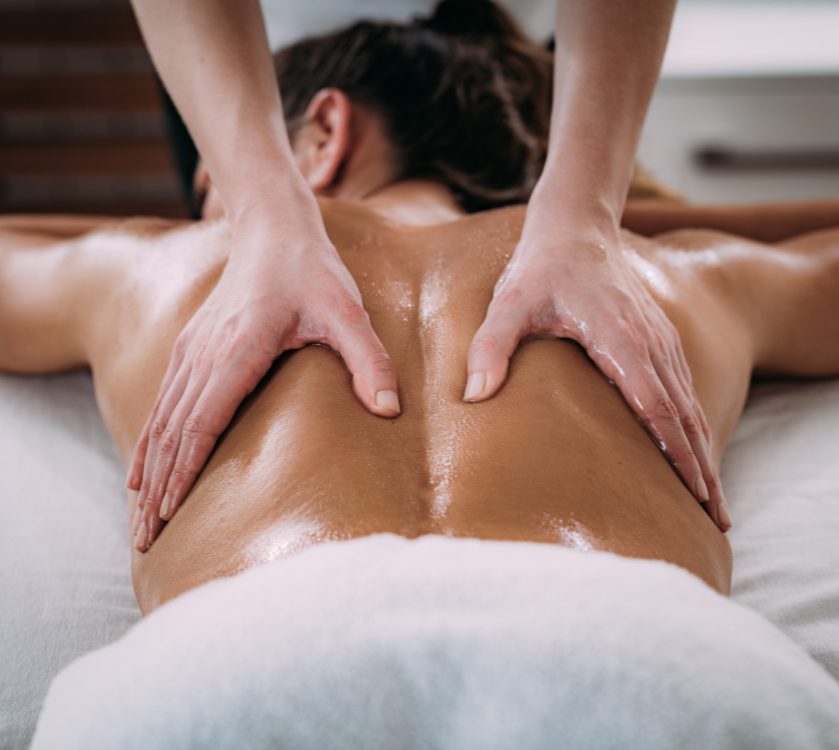
This is where many athletes leave real recovery benefit on the table. Massage therapy isn't just a relaxing treat; it's a legitimate recovery tool that directly addresses the physical toll of skiing and hiking. A session with one of the registered massage therapists in Calgary at Why Knot! Massage & Wellness can help in several concrete ways:
Deep tissue massage: works into the layers of muscle affected by repetitive strain, such as the quads after a ski day or the calves after a steep hike, helping to release tension and improve mobility.
Sports massage: is specifically designed around the needs of active people, targeting the muscle groups most stressed by a particular sport and helping to both prevent injury and speed recovery between outings.
Trigger point therapy: can target the specific "knots" that develop in overworked muscles, often the source of that persistent, localized soreness that doesn't seem to go away with stretching alone.
Myofascial release: addresses tightness in the fascia itself, which can be a major contributor to the feeling of full-body stiffness after a long day of physical activity.
Cupping therapy: is another option some athletes find helpful for increasing blood flow to particularly stubborn areas of tightness, such as the lower back or hips.
A skilled therapist can also assess your movement patterns and posture, and flag areas of imbalance before they become a bigger issue. This is especially valuable if you're skiing or hiking multiple times a week throughout the season.
Why Timing Matters: The Case for Same Day Massage in Calgary
One of the most common mistakes active people make is waiting too long to address soreness. If you come back from Lake Louise or Kananaskis on a Sunday and you're already feeling unusually tight or sore that evening, waiting a week or two for your next scheduled appointment isn't ideal. The sooner tension and inflammation are addressed, the easier it typically is to resolve, and the less likely it is to turn into a lingering issue that affects your next outing.
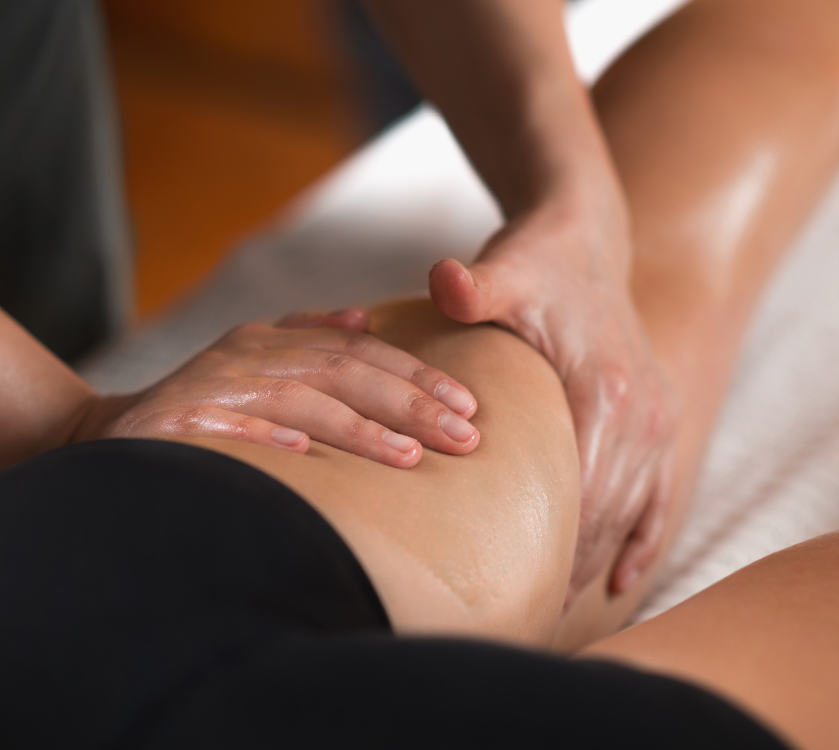
This is exactly why same day massage in Calgary has become such a popular option for local skiers and hikers. Being able to book a session the moment you notice tightness, rather than pushing through pain for days, means you can treat minor issues before they become bigger problems. At Why Knot! Massage & Wellness, we understand that outdoor recreation in this city often happens on short notice, driven by weather, snow conditions, or a sudden free weekend. Your recovery care should be just as flexible as your adventure plans.
What to Expect From a Recovery Focused Massage Session
If you've never booked a massage specifically for athletic recovery, here's what a typical session looks like. Your therapist will start by asking about your activity: what you did, how long you were out, and where you're feeling the most tightness or discomfort. This helps them tailor the session to your specific needs rather than applying a generic, one-size-fits-all approach.
From there, they'll typically use a combination of techniques based on what your body needs that day. This might mean deeper pressure work on your quads and IT bands after a ski day, or more focused attention on your calves, glutes, and lower back after a demanding hike. Communication throughout the session matters. A good registered massage therapist will check in on pressure and adjust as needed, since recovery massage should never feel unbearable, even when it's working through significant tension.
Many clients find that a single session noticeably improves range of motion and reduces the dull, heavy soreness that follows a big day outdoors. For those who ski or hike regularly throughout the season, building massage into a consistent routine, rather than only booking when something already hurts, tends to produce the best long-term results.
Building Recovery Into Your Regular Routine
If you're a weekend warrior hitting the slopes or trails multiple times a month throughout the Calgary ski and hiking seasons, it's worth thinking about recovery the same way you think about training or gear. Just as you wouldn't ski all season on the same dull edges, your body needs regular maintenance to keep performing well.
Many local athletes find success booking a massage every two to four weeks throughout an active season, with additional sessions added after particularly demanding days or when they notice new tightness developing. This kind of proactive approach tends to prevent the kind of chronic tightness and overuse injuries that sideline people mid-season.
Finding the Right Calgary Massage Therapist for Your Needs
Not every massage practice is set up with athletes in mind. When looking for Calgary massage services to support your ski and hiking recovery, it's worth choosing a clinic with registered massage therapists in Calgary who have experience working with active clients and understand the specific demands of alpine sports and mountain hiking.
At Why Knot! Massage & Wellness, our team offers a full range of therapeutic techniques, from deep tissue and sports massage to cupping, trigger point therapy, and myofascial release, so your treatment plan can be built around exactly what your body needs, whether that's general maintenance or targeted work after a big day in the mountains.
Final Thoughts
Calgary's proximity to some of the best skiing and hiking in the world is one of the biggest perks of living here, but it comes with real physical demands. Hydration, nutrition, gentle movement, stretching, sleep, and professional massage therapy all work together to help your body recover fully between outings, so you can keep showing up for the activities you love without being sidelined by preventable soreness or injury.
If you've just come back from the mountains and you're feeling it, don't wait until discomfort turns into something more serious. Reach out to Why Knot! Massage & Wellness to book with one of our registered massage therapists in Calgary, and ask about same day massage availability the next time your body needs relief sooner rather than later.
